Delta 9 vs. Delta 8: Which Cannabinoid is Right for You?
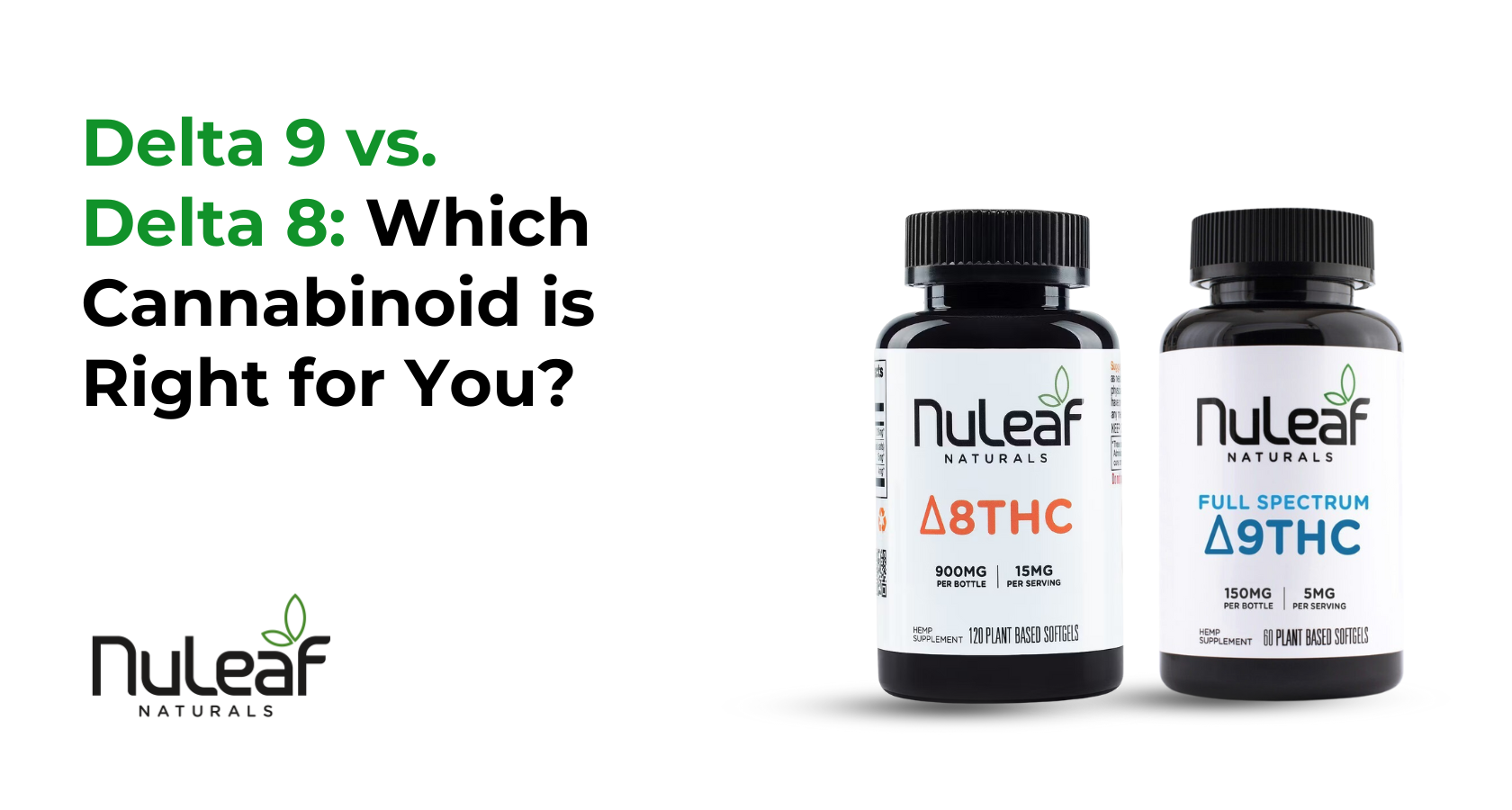
Delta 9 vs. Delta 8: Which Cannabinoid is Right for You?
Delta 9 THC and Delta 8 THC are both cannabinoids found in the hemp plant. The key difference between them is a subtle variation in their chemical structure, which slightly changes how they interact with the body’s endocannabinoid system. Understanding these differences is crucial for anyone exploring the potential benefits of hemp-derived cannabinoids for their wellness journey.
The Scientific Difference: A Double Bond
Cannabinoids, including Delta 9 and Delta 8 THC, are organic compounds with complex chemical structures. While seemingly minor, the precise arrangement of atoms within these structures dictates how they interact with the body’s intricate systems, particularly the endocannabinoid system (ECS). The distinction between Delta 9 and Delta 8 hinges on the placement of a single double bond within their molecular makeup.
What is Delta 9 THC?
Delta 9-tetrahydrocannabinol, commonly known as Delta 9 THC, is the most abundant and extensively studied cannabinoid found in the cannabis plant. It is defined by its critical double bond located on the ninth carbon chain within its molecular structure.
This specific atomic configuration is responsible for its interaction with cannabinoid receptors in the body, which potentially influences physiological processes that support overall well-being. In hemp plants, Delta 9 THC is present in concentrations of less than 0.3% on a dry weight basis, adhering to federal guidelines.
What is Delta 8 THC?
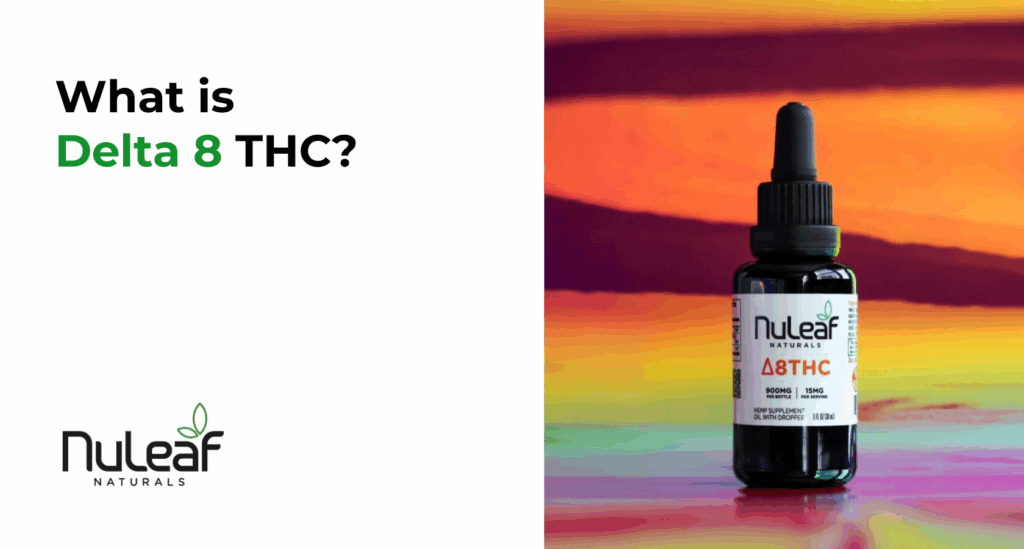
Delta 8-tetrahydrocannabinol, or Delta 8 THC, is a less common isomer of THC. As an isomer, it shares the same chemical formula as Delta 9 THC but differs in the arrangement of its atoms. Specifically, Delta 8 THC possesses its defining double bond on the eighth carbon chain.
This slight shift in the double bond’s position, from the ninth to the eighth carbon, is responsible for the distinct properties observed in Delta 8 THC compared to its Delta 9 counterpart. While naturally occurring in cannabis, Delta 8 is typically found in very small quantities, often requiring conversion from more abundant cannabinoids like CBD for commercial production.
A Comparison of Effects and Potency
The difference in chemical structure leads to a different user experience. The placement of the double bond influences how effectively each cannabinoid binds to and activates cannabinoid receptors within the endocannabinoid system, particularly the CB1 receptors found predominantly in the brain and central nervous system. This differential binding contributes to the varied effects and perceived potencies of Delta 9 and Delta 8 THC.
| Feature | Delta 9 THC | Delta 8 THC |
|---|---|---|
| Chemical Structure | Double bond on the 9th carbon chain | Double bond on the 8th carbon chain |
| Potency | The primary, more potent form of THC | Generally described as less potent than Delta 9 |
| Natural Abundance | Naturally abundant in cannabis | Occurs in very small quantities |
| Primary Use Case | Potentially supporting calm and rest* | Potentially supporting calm and rest* |
Understanding Potency and User Experience
Delta 9 THC is widely recognized for its more pronounced effects.* The onset of effects can vary based on the consumption method, and these effects can continue for up to 24 hours, depending on individual metabolism and dosage. Due to its higher potency, it is often recommended to start with a low dose and gradually increase as needed.
In contrast, Delta 8 THC is generally described as less potent than Delta 9 THC. While the effects are less intense, Delta 8 THC still interacts with the endocannabinoid system and can offer a unique experience for those seeking a gentler introduction to cannabinoids or a more subdued effect.* Similar to Delta 9, the effects of Delta 8 can also last for up to 24 hours.
Approved Wellness Applications of Hemp-Derived THC*
Both Delta 9 and Delta 8 THC interact with the endocannabinoid system to potentially support overall well-being.* Our full-spectrum THC gummies are formulated to support help:
- Support post-exercise recovery*
- Support rest and regular sleep*
- Promote calm*
NuLeaf Naturals utilizes Delta 9 THC in our gummies to provide the most authentic, whole-plant experience. This product is not intended to diagnose, treat, cure, or prevent any disease.
The Endocannabinoid System: How Cannabinoids Interact with Your Body
To fully grasp how Delta 9 and Delta 8 THC exert their potential effects, it is essential to understand the endocannabinoid system (ECS). The ECS is a complex cell-signaling system identified in the early 1990s by researchers exploring THC. It plays a crucial role in regulating a wide range of physiological processes and maintaining homeostasis, or balance, within the body.
The ECS consists of three main components:
- Endocannabinoids: These are cannabinoid-like molecules produced naturally by your body. The two primary endocannabinoids are anandamide (AEA) and 2-arachidonoylglycerol (2-AG).
- Cannabinoid Receptors: These receptors are found throughout the body. The two main types are CB1 receptors, predominantly located in the central nervous system (brain and spinal cord), and CB2 receptors, found mostly in the peripheral nervous system and immune cells.
- Enzymes: These enzymes break down endocannabinoids once they have fulfilled their function.
Cannabinoids like Delta 9 and Delta 8 THC interact with the ECS by binding to or influencing these CB1 and CB2 receptors. The specific way each cannabinoid interacts with these receptors, due to its unique chemical structure, dictates the nature and intensity of its potential effects.
Delta 9 THC, for instance, has a stronger affinity for CB1 receptors, which is believed to contribute to its more potent influence on the central nervous system. Delta 8 THC, while still interacting with CB1 receptors, does so with a slightly different binding profile, resulting in its generally milder effects.
The ECS is involved in regulating functions such as:
- Sleep
- Mood
- Appetite and digestion
- Memory
- Post-exercise response
- Reproductive function
By interacting with this fundamental system, cannabinoids like Delta 9 and Delta 8 THC potentially contribute to overall wellness by supporting the body’s natural balance.*
Legality and Sourcing: Hemp-Derived Cannabinoids
The legal landscape surrounding cannabinoids can be complex and is subject to change. However, a foundational understanding of federal law, particularly the 2018 Farm Bill, is crucial when discussing hemp-derived Delta 9 and Delta 8 THC.
The 2018 Farm Bill and Hemp
The Agricultural Improvement Act of 2018, commonly known as the 2018 Farm Bill, federally legalized hemp by removing it from the Controlled Substances Act. This landmark legislation defined hemp as the Cannabis sativa L. plant and any part of that plant, including the seeds thereof and all derivatives, extracts, cannabinoids, isomers, acids, salts, and salts of isomers, whether growing or not, with a Delta 9 tetrahydrocannabinol concentration of not more than 0.3 percent on a dry weight basis.
This distinction is vital for both Delta 9 and Delta 8 products:
- Hemp-Derived Delta 9 THC: For a product to be federally compliant under the 2018 Farm Bill, its Delta 9 THC concentration must not exceed 0.3% on a dry weight basis. This allows for products that contain trace amounts of naturally occurring Delta 9 THC while remaining federally compliant. NuLeaf Naturals’ Delta 9 THC gummies adhere strictly to this federal threshold.
- Hemp-Derived Delta 8 THC: Since Delta 8 THC is an isomer of Delta 9 THC and can be derived from federally compliant hemp, it is also federally compliant, provided that the finished product contains less than 0.3% Delta 9 THC.
It is important to note that while federally compliant, individual state laws may vary. Some states have enacted their own regulations concerning Delta 8 and Delta 9 THC, and consumers should always research their local laws to ensure compliance. NuLeaf Naturals is committed to adhering to all applicable federal and state regulations regarding the sale and distribution of our products.
Sourcing and Production Methods
The natural abundance of Delta 9 THC in certain cannabis varieties means it can be directly extracted. For hemp-derived Delta 9 products, the extraction process focuses on capturing the full spectrum of cannabinoids and terpenes while ensuring the Delta 9 THC content remains below the 0.3% federal limit.
Conversely, Delta 8 THC occurs in very low concentrations in both hemp and marijuana. Therefore, commercial Delta 8 products are typically produced through a conversion process, where more abundant cannabinoids like CBD are chemically converted into Delta 8 THC. This process requires precise scientific methodologies to ensure purity and consistency.
NuLeaf Naturals prides itself on providing high-quality, full-spectrum hemp extracts. While we do not control the entire farming process from seed to shelf, nor the extraction process, we ensure our products undergo rigorous third-party lab testing.
These tests verify cannabinoid potency and confirm the absence of contaminants, ensuring that our customers receive a premium, transparent product. Our oil is not certified organic, and we do not have USDA Organic certification.
Drug Testing and Cannabinoids
A common concern among individuals using cannabinoids, including Delta 8 and Delta 9 THC, is their detectability on drug tests. It is crucial to understand that most standard drug tests, such as urine tests, do not specifically differentiate between various THC isomers.
Instead, these tests are designed to detect metabolites produced by the body after it processes THC. Since Delta 8 and Delta 9 THC share very similar molecular structures, their metabolic breakdown products in the body are largely the same. This means that a drug test typically cannot distinguish whether you have consumed Delta 9 THC or Delta 8 THC. Furthermore, some non-THC cannabinoids may also produce metabolites that can trigger a positive result.
If you are subject to drug testing, it is strongly recommended that you avoid using any form of THC, including both Delta 8 and Delta 9 products, as a positive test result is highly probable. We advise individuals to consult with their employer or the administering agency regarding their specific drug testing policies and the substances they screen for.
Choosing the Right Cannabinoid for You
The decision between Delta 9 and Delta 8 THC ultimately depends on your personal preferences, wellness goals, and desired experience. Both cannabinoids offer potential benefits by interacting with the endocannabinoid system, but they do so with different intensity profiles.
Consider the following when making your choice:
- Desired Intensity: If you are seeking a more pronounced and impactful experience, Delta 9 THC, particularly in compliant, hemp-derived forms, might be suitable. If you prefer a milder, more subtle effect, Delta 8 THC may be a better option.
- Experience Level: For individuals new to cannabinoids, Delta 8 THC can serve as a gentler introduction, allowing them to gauge their personal response before exploring more potent options. Experienced users might prefer Delta 9 THC for its familiar effects.
- Wellness Goals: Both cannabinoids may offer potential benefits for post-exercise recovery, promoting calm, and supporting rest and sleep.* Reflect on your specific wellness goals needs to determine which cannabinoid’s characteristics align best with your objectives.
- Legality: Always verify the legal status of Delta 8 and Delta 9 THC in your specific state or region, as laws can vary and are subject to change.
NuLeaf Naturals focuses on providing high-quality, federally compliant full-spectrum Delta 9 THC products, like our gummies, to deliver a robust and authentic hemp experience. Our commitment to transparency through third-party lab testing ensures you receive a product you can trust for your wellness journey.
Frequently Asked Questions (FAQ)
What is the primary difference between Delta 9 and Delta 8 THC?
The primary difference lies in their chemical structure: Delta 9 THC has a double bond on its ninth carbon chain, while Delta 8 THC has it on the eighth carbon chain. This subtle variation influences how they interact with the body and the intensity of their potential effects.
Is Delta 8 THC weaker than Delta 9 THC?
Generally, Delta 8 THC is described as having milder or less potent effects compared to Delta 9 THC. Individual experiences can vary, but most users report a more subtle impact from Delta 8.
Are Delta 9 and Delta 8 THC federally legal?
Both Delta 9 and Delta 8 THC are federally compliant under the 2018 Farm Bill if they are derived from hemp and contain less than 0.3% Delta 9 THC on a dry weight basis. However, state laws can differ, so it’s essential to check local regulations.
Can I fail a drug test after using Delta 8 THC?
Yes, it is highly likely. Most standard drug tests do not differentiate between Delta 8 and Delta 9 THC metabolites. If you are subject to drug testing, it is recommended to avoid all THC products.
How do Delta 9 and Delta 8 THC interact with the body?
Both cannabinoids interact with the body’s endocannabinoid system (ECS), particularly with CB1 and CB2 receptors. This interaction is believed to potentially influence various physiological processes related to mood, sleep, and post-exercise recovery.*
What are the potential wellness benefits of hemp-derived THC?
Hemp-derived THC, including Delta 9 and Delta 8, may potentially support post-exercise recovery, promote calm, and support rest and regular sleep.*
Discover Nuleaf Naturals’ Legal, Hemp-Derived Delta 9 THC Gummies
https://nuleafnaturals.com/product/thc-gummies/
*This statement has not been reviewed by the Food and Drug Administration. This product is not intended to diagnose, treat, cure, or prevent any disease.