Delta 9 vs. Delta 8 THC: A Comparison of Potency and Effects
Key Takeaways
- The Core Difference: The primary distinction between Delta 9 and Delta 8 THC is a subtle shift in their molecular structure, which directly impacts their potency.
- Potency Comparison: Delta 9 THC is known to have a higher potency and produces more pronounced effects than Delta 8 THC.
- Chemical Structure: Delta 9 has a double bond on the ninth carbon chain of its molecule, while Delta 8 has this bond on the eighth chain. This small change alters how they interact with the body’s endocannabinoid system.
- Source and Legality: Hemp-derived Delta 9 THC is naturally abundant and federally legal in concentrations of 0.3% or less by dry weight. Delta 8 is less common, often synthesized from CBD, and exists in a more complex legal landscape.
- Effect Profile: Consumers often describe the effects of Delta 8 as milder and clearer compared to the traditional effects associated with Delta 9.
The primary difference between Delta 9 and Delta 8 THC lies in their chemical structure, which results in Delta 9 having a higher potency. While these two compounds share the same chemical formula, the specific arrangement of their atoms causes them to interact with the body in distinct ways. This guide explains that structural difference, how it influences each compound’s effects, and what that means for your wellness choices.
The Key Difference: A Single Carbon Bond
At a glance, Delta 9 and Delta 8 THC are nearly identical. They are both classified as “isomers,” meaning they are composed of the same atoms, just arranged differently. This seemingly minor distinction—the placement of a single double bond in their molecular structure—is responsible for their differing effects and potencies.
What is Delta 9 THC?
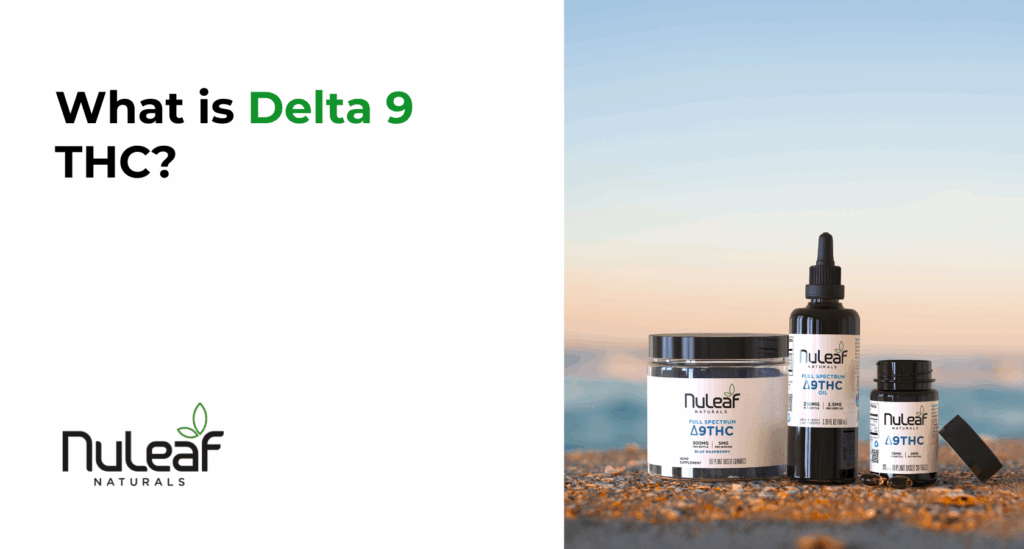
Delta-9-tetrahydrocannabinol, or Delta 9 THC, is the most abundant and well-known form of THC found in the cannabis plant. It is the primary psychoactive compound that has been studied extensively for decades. Its name is derived from the location of a critical double bond on the 9th carbon chain of its molecular structure. This specific structure allows it to bind effectively with receptors in the body’s endocannabinoid system, producing its well-documented effects.
What is Delta 8 THC?
Delta-8-tetrahydrocannabinol, or Delta 8 THC, is a less common isomer of THC. It is chemically similar to Delta 9 but with one crucial difference: its double bond is located on the 8th carbon chain. While it also occurs naturally in the hemp plant, it is found in very small concentrations, making direct extraction unfeasible. As a result, most Delta 8 products on the market are created by chemically converting CBD into Delta 8 THC.
How This Affects Potency
The location of the double bond is more than just a chemical footnote; it dictates how strongly each molecule can interact with the body. The human endocannabinoid system (ECS) has specific sites called CB1 receptors, which are primarily located in the brain and nervous system.
Delta 9’s structure allows it to form a strong and efficient bond with these CB1 receptors. This strong affinity is the reason for its higher potency and more pronounced effects. In contrast, the slight structural shift in Delta 8 makes its bond with CB1 receptors less effective and weaker. This reduced binding affinity is why Delta 8 is generally considered to be less potent than Delta 9.
Comparing the Effects and Legal Status
To make an informed decision, it’s helpful to see a direct comparison of these two cannabinoids. The following table breaks down their key features, from potency and sourcing to their legal standing.
| Feature | Delta 9 THC | Delta 8 THC |
|---|---|---|
| Potency | Higher | Lower |
| Source | Naturally abundant in hemp | Occurs in very small amounts; often synthesized from CBD |
| Federal Legal Status | Legal in hemp products (≤0.3% by dry weight) | Legally complex and varies by state |
| General Effect Profile | Well-known traditional THC effects | Often described as milder, clearer, and less intense |
Wellness Applications of Hemp-Derived THC*
Both Delta 9 and Delta 8 are forms of THC that interact with the endocannabinoid system, a master regulatory network that helps maintain balance in the body. Nuleaf Naturals’ full-spectrum Delta 9 THC oil, derived from hemp and containing a complete range of synergistic cannabinoids and terpenes, is formulated to:
- Help with the management of day-to-day stresses*
- Support a positive mood*
- Potentially improve healthy sleep cycles*
When choosing a product, understanding its source and composition is key. A whole-plant extract offers the benefits of the “entourage effect,” where cannabinoids and terpenes work together to enhance the overall qualities of the oil.
For those seeking a reliable, natural, and legally compliant option, Discover Nuleaf Naturals’ Legal, Hemp-Derived Delta 9 THC Oil.
Frequently Asked Questions (FAQ)
How are Delta 8 and Delta 9 sourced differently?
Delta 9 THC exists in sufficient quantities in hemp to be obtained through direct extraction of the plant’s essential oils. This is a natural and straightforward process. Delta 8 THC, however, is only present in trace amounts, making direct extraction impractical.
Therefore, it is most often created through a chemical conversion process that transforms hemp-derived CBD into Delta 8 THC.
Do Delta 8 and Delta 9 show up differently on a drug test?
No, they are typically indistinguishable on a standard drug test. Most drug screenings do not test for the presence of specific THC isomers but for the metabolites that are left after your body processes THC.
Since both Delta 8 and Delta 9 produce the same THC metabolites, using either product can result in a positive drug test. If you are subject to drug testing, it is recommended to avoid all forms of THC.
Which cannabinoid is the right choice for me?
The choice between Delta 9 and Delta 8 depends on individual wellness goals and sensitivity to THC. Users looking for more pronounced, traditional effects often prefer Delta 9. Those seeking a milder, less intense experience may lean towards Delta 8.
Given its natural abundance and clearer legal status under the 2018 Farm Bill, hemp-derived Delta 9 THC from a reputable source is often considered the more straightforward and well-understood option.
*This statement has not been evaluated by the Food and Drug Administration. This product is not intended to diagnose, treat, cure, or prevent any disease.