Does CBD Oil Cause Psychoactive Effects? The Truth About CBD vs. THC
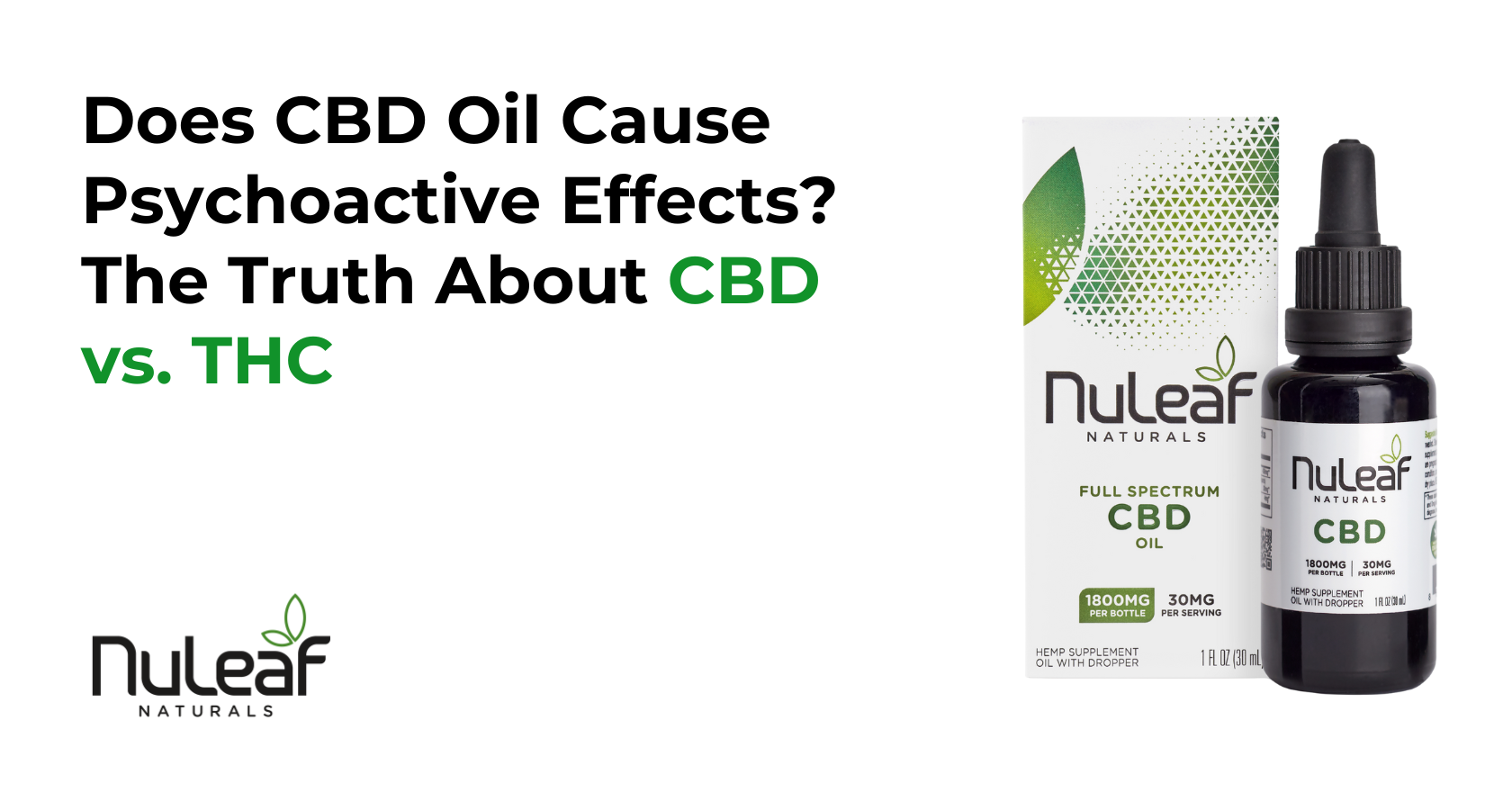
As the world embraces the wellness revolution, NuLeaf Naturals is at the forefront, navigating the ever-expanding landscape of pure, potent cannabinoid wellness. With its burgeoning popularity, a wave of fascination and intrigue surrounds CBD’s supportive potential. However, alongside enthusiasm brews a common bubbling question: Does CBD oil cause psychoactive effects?
The air is thick with myths and misconceptions about CBD’s psychoactive effects—a topic where NuLeaf Naturals believes knowledge is key to empowerment. Unpack the intricacies of CBD vs. THC, and discover the facts behind the psychoactive properties. Ready for a clear-headed exploration? Let’s dive in!
Understanding Cannabidiol (CBD) Basics
Dive into the world of CBD with NuLeaf Naturals, and let’s unravel the facts together! It’s time to clear the air and highlight the key aspects that distinguish CBD from its famous cousin, THC. So, what exactly is CBD, and how does it fit into the grand cannabis narrative? Let’s explore!
What is CBD?
CBD, short for Cannabidiol, is a natural compound found in the cannabis plant. Unlike THC, CBD is non-psychoactive, which means it doesn’t induce the mind-altering effects associated with marijuana. Instead, CBD is celebrated for its ability to support wellness*, making it a popular choice for those seeking wellness support* without mind-altering effects.
How is CBD derived from cannabis or hemp?
CBD can be extracted from both hemp plants. However, hemp-derived CBD contains minimal THC and is the primary source for most CBD products on the market, including those from NuLeaf Naturals. Hemp plants are specially cultivated to produce high CBD content while keeping THC levels low, allowing for legal sale and consumption in many regions.
Overview of CBD products
As CBD grows in popularity, so does the diversity of available products. Consumers can now enjoy the benefits of CBD in various forms, such as oils/tinctures, capsules/softgels, topicals (balms, salves, creams), and edibles (gummies). NuLeaf Naturals takes pride in offering a premium selection of full-spectrum CBD oils, meticulously crafted for the highest quality and purity.
- Oils and Tinctures: Convenient droppers allow for precise dosage and easy ingestion.
- Capsules: Perfect for on-the-go use and controlled dosages.
- Topical Creams: Designed for application to the skin to help hydrate.
- Edibles: A tasty way to incorporate CBD into your daily routine.
Tetrahydrocannabinol (THC) Basics
The conversation around CBD vs. THC isn’t complete without diving into the basics of THC. Let’s break it down.
What is THC?
THC, short for Tetrahydrocannabinol, is the main psychoactive compound found in cannabis plants. Unlike its cousin CBD, which is the star product of NuLeaf Naturals, THC is known for its psychoactive effects.
Psychoactive Properties of THC
When you consume THC, it interacts with receptors in your body and can produce a notable change in mental state. This effect can be experienced as a feeling of changes in mood. But there’s more to THC than just the psychoactive effects – and we’ll get into that as we explore the complexities of CBD vs. THC in the wider world of cannabinoids.
Remember, while NuLeaf Naturals focuses on producing high-quality CBD products, knowing your THC basics is crucial for an informed understanding of how different cannabinoids interact with your body. Stay tuned!
Psychoactive vs. Non-psychoactive Compounds: Unraveling the Confusion
When you’re trying to understand the world of cannabinoids, it’s like separating espresso from a latte – they’re from the same family but give you a totally different experience. Here at NuLeaf Naturals, we want to set the record straight about the effects of CBD vs. THC.
Defining Psychoactive Effects
A substance that affects the central nervous system may cause changes in mood, consciousness, and behavior. THC is the one that triggers these effects.
THC’s Psychoactive Effects Compared to CBD’s Non-psychoactive Nature
THC, or tetrahydrocannabinol, is the main psychoactive player in cannabis. It’s the one that can cause a shift in mental state. On the flip side, CBD, or cannabidiol, is the laid-back cousin that promotes relaxation* without causing a mind-altering effect.
How CBD Does Not Induce Psychoactive Effects Like THC
So, does CBD oil cause psychoactive effects? The short answer: Nope. Scientifically speaking, CBD doesn’t bind to the receptors in your brain that ignite THC’s fireworks. This means you can enjoy the quality of NuLeaf Naturals CBD oil without worrying about any psychoactive side-effects.
- CBD promotes a sense of calm* – perfect for those seeking balance.
- THC is the main psychoactive ingredient in cannabis.
- You can enjoy CBD without any psychoactive effects – this means no mind-altering effects, just pure, grounded wellness*.
Understanding CBD vs. THC: Diving into the Chemical Structure
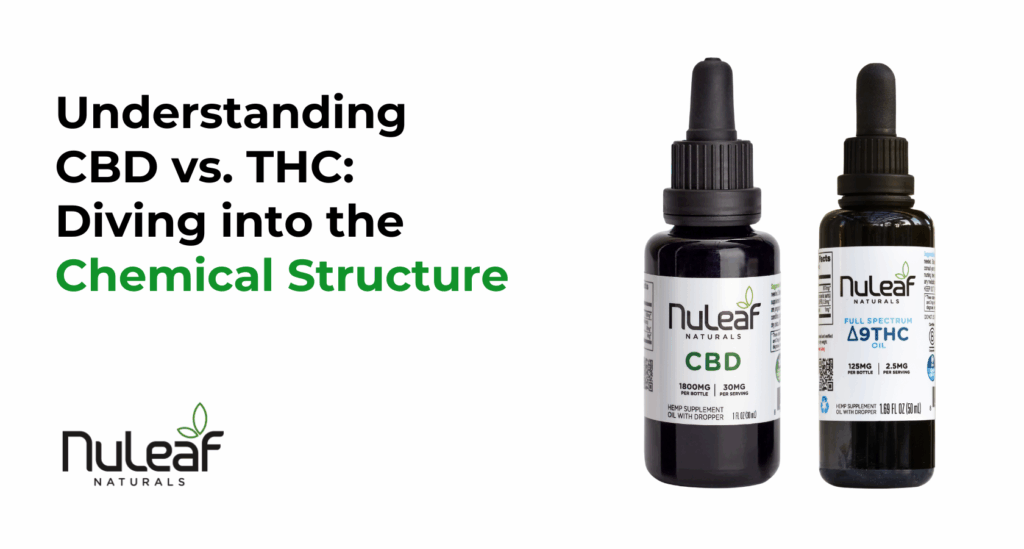
When it comes to CBD vs. THC, there’s a lot more than meets the eye. Both compounds share a similar chemical structure, but don’t let this fool you—their effects are quite different.
Similarities in Chemical Structure
On a molecular level, both CBD and THC have 21 carbon atoms, 30 hydrogen atoms, and 2 oxygen atoms. It’s a bit like two siblings having the same parents but each expressing different traits.
Here at NuLeaf Naturals, we appreciate nature’s complexity, and the story of CBD and THC is a great example of that.
Key Differences That Influence the Psychoactive Outcomes
The devil, as they say, is in the details. While CBD and THC share a similar skeleton, they have a different arrangement of atoms, and that’s what influences how they interact with your body’s Endocannabinoid System (ECS).
- THC: Interacts with CB1 receptors, often resulting in a change in mental state.
- CBD: Has a lower affinity for CB1 receptors and can influence the way the ECS responds to cannabinoids.
To sum it up, the relationship between CBD vs. THC is a fascinating dance of chemistry, with CBD leading the way towards wellness support* without the psychoactive effects. And rest assured, when you’re using NuLeaf Naturals, you’re getting a product that leverages the best of what CBD has to offer, all while ensuring that you remain clear-headed and focused.
Unraveling the Mysteries of the Endocannabinoid System (ECS)
The Endocannabinoid System (ECS) might sound like something out of a sci-fi novel, but it’s actually a crucial part of our biology that keeps things running smoothly. Let’s dive into a brief but engaging exploration of what the ECS is and how both CBD and THC are involved in this intricate bodily system.
Understanding the ECS
The ECS is a complex network of receptors, enzymes, and endogenous cannabinoids (endocannabinoids) that help regulate and balance a wide range of physiological processes.
How CBD and THC interact with the ECS differently
Now, here’s where we see the distinct dance between CBD vs. THC and the ECS. THC likes to bind directly to cannabinoid receptors, particularly CB1 receptors in the brain, which results in the psychoactive effects.
On the other hand, NuLeaf Naturals CBD oil prefers to take a subtler approach. Rather than binding to these receptors, CBD modulates them and may help support the function of the ECS*.
Understanding the nuances of the ECS can revolutionize how we look at plant-derived cannabinoids. With products like those from NuLeaf Naturals, embracing the non-psychoactive nature of CBD becomes a journey worth exploring.
Legal Status of CBD and THC: Understanding Your Rights
As the popularity and acceptance of CBD and THC continue to grow, so does the complexity of their legal status. At NuLeaf Naturals, we understand how important it is for our customers to be well-informed on these topics. Let’s dive into what you need to know about the legal landscape surrounding CBD vs. THC.
Federal Laws on CBD and THC
The legal distinction between CBD and THC on a federal level mainly comes down to the source of the compound. THC is known for its psychoactive properties and is federally illegal in significant quantities under the Controlled Substances Act.
On the other hand, CBD derived from hemp (cannabis with less than 0.3% THC) was removed from the controlled substances list with the advent of the 2018 Farm Bill.
The 2018 Farm Bill and Hemp-Derived Products
The 2018 Farm Bill was a game-changer, especially for hemp enthusiasts and companies like NuLeaf Naturals. It legalized the cultivation and sale of hemp at the federal level, which in turn legalized hemp-derived CBD products containing less than 0.3% THC. As a result, the market has seen a surge in legal, hemp-based CBD products that offer the support of CBD without the psychoactive effects of THC.
Variations in State Laws
Even though federal laws have paved the way for hemp-derived CBD, state laws can vary significantly. Some states have fully embraced both CBD and THC for health-related and recreational use, while others have stricter laws or only allow CBD for specific authorized purposes. It’s crucial to check the legality in your specific state before making any purchase or usage decisions.
At NuLeaf Naturals, we stay abreast of the latest legal developments to ensure that our products meet federal and state regulations. We’re committed to delivering top-quality, legally compliant CBD products so you can enjoy the support of CBD vs. THC without worrying about legal repercussions.
Potential Benefits of CBD
Curious about what CBD can do for your wellness? The truth about CBD vs. THC unreels an interesting chapter on the horizon. Unlike its psychoactive sibling THC, CBD is lauded for its wellness prowess* without the mind-altering effects. Let’s dive into the potential support that has set the wellness world abuzz.
Potential Benefits of CBD
The brand focuses on high-quality ingredients and targeted wellness support* NuLeaf Naturals products are formulated to help consumers with:
- Supports muscle recovery after exercise*.
- May help manage everyday stress*.
- May support rest and regular sleep*.
- May promote a sense of calm*.
Potential Benefits of Minor Cannabinoids
NuLeaf Naturals also offers support for more targeted wellness goals using minor cannabinoids:
- CBG: may help maintain focus and concentration*.
- CBN: is specifically formulated to supports rest and regular sleep* and promotes relaxation*.
- CBC: helps manage everyday stress* and helps maintain a positive mood*.
Understanding the Side Effects of CBD and THC
Let’s talk about the side effects, shall we? When exploring the world of CBD vs. THC, it’s crucial to know that, like any substance, they come with their own sets of effects. And here at NuLeaf Naturals, we believe in keeping you informed, so you know exactly what to expect.
Common Side Effects of CBD
First up, CBD. Good news – it is generally considered safe to use. But that doesn’t mean it’s totally free of side effects. Some folks might experience:
- Dry mouth
- Slight drowsiness
- Changes in appetite or weight
- Minor digestive issues
Most of these are pretty mild and tend to subside as your body gets used to the CBD.
Psychoactive Side Effects of THC
Moving on to THC – this is where we get down to the specifics. THC is the guy responsible for the psychoactive effects associated with cannabis. It can cause:
- Changes in mood
- Temporary focus impairment
- Changes in perception
- Increased heart rate
These effects are usually temporary but can be more pronounced with higher doses.
Safety Considerations of CBD vs. THC
When it comes to safety considerations, CBD tends to be the gentler of the two. It is generally easy to use, and it’s pretty tough to ‘overdo’ it. THC, while also having supportive properties, needs a more cautious approach because of its effects on mental state.
Before consuming any product, make sure you know how much you can handle and stay within limits that keep you comfortable and safe.
Got more questions about CBD vs. THC? Stick with us at NuLeaf Naturals, and we’ll keep you clued-up on all things hemp and wellness!
Drug Testing and Cannabinoids: Navigating the Waters with NuLeaf Naturals
When it comes to drug testing, the waters can be murky—especially with the popularity of CBD products. Let’s dive into how drug tests typically detect THC and explore the likelihood of CBD products, like those from NuLeaf Naturals, affecting your test results.
How Drug Tests Detect THC
Most drug tests are designed to identify THC or its metabolites—substances produced when the body breaks down chemicals. These tests are searching specifically for the compounds associated with the psychoactive effects of marijuana—not CBD.
The Likelihood of CBD Products Causing a Positive Drug Test
Now, for the burning question: Can using CBD oil lead to a positive drug test? The answer depends on the type of CBD products you’re using:
- With NuLeaf Naturals full-spectrum CBD products, the THC concentration is kept way below the legal 0.3% limit. But remember, full-spectrum means that trace amounts of THC are present. If these trace amounts build up in your system over time, there’s a slim chance they could be detected.
- On the other hand, CBD isolate products, which contain only CBD and no other cannabinoids, should not cause a positive test for THC.
It’s important to note that not all CBD products are created equal. Low-quality products might contain higher levels of THC than advertised. With NuLeaf Naturals, you’re getting a product that’s rigorously tested for quality and potency, ensuring you are fully informed about the cannabinoid content in your wellness routine.
Always be mindful of the CBD vs. THC content in the products you choose, and when in doubt, reach out to the brand for verification. Your trust is our priority, and we’re here to ensure you’re well-informed in your CBD journey.
Exploring the Depths: Full Spectrum CBD vs. CBD Isolate
If you’re venturing into the world of CBD, you might’ve come across terms like full spectrum CBD and CBD isolate. Understanding these forms is crucial in choosing the right product for your needs. Let’s break down what each one means and their implications when considering our central entity: CBD vs. THC.
What Are Full Spectrum CBD and CBD Isolate?
Full spectrum CBD contains a range of cannabinoids found in the hemp plant, not just CBD. This means it includes traces of THC (less than 0.3%), but don’t worry, it’s not enough to cause psychoactive effects. Think of it like a team, where each member brings something unique to the table, contributing to a comprehensive effect – a phenomenon known as the entourage effect.
In contrast, CBD isolate is the purest form of CBD. All other cannabinoids, terpenes, and plant matter are stripped away, leaving behind nothing but CBD in its most concentrated form.
The Entourage Effect’s Role
Full spectrum CBD offers a richer profile thanks to the entourage effect. This implies that all the natural compounds in hemp work together synergistically. The presence of CBD alongside low doses of other cannabinoids might influence the overall potency and quality of the product.
But what about the THC in full spectrum CBD? The trace amounts of THC are well below the psychoactive threshold. However, individuals sensitive to THC or consuming particularly high doses should be aware of the possibility of minor effects.
On the other hand, with CBD isolate, you’re steering clear of THC entirely. This can be reassuring news for those of you concerned about drug tests or any potential mind-altering effect.
Conclusion
At the end of the day, whether you go full spectrum or isolate really depends on your individual needs and preferences. If you’re after that synergistic entourage effect and don’t mind a trace amount of THC, full spectrum could be your choice.
If purity and a complete absence of THC are your top priority, a broad-spectrum or isolated product from NuLeaf Naturals may be your best friend. Remember, neither will cause psychoactive effects. We’re here to lift your wellness*
FDA Disclaimer
*This statement has not been evaluated by the Food and Drug Administration. This product is not intended to diagnose, treat, cure, or prevent any disease.