The Future is Now: CBD Market Trends, Innovations, and the Road to Mainstream
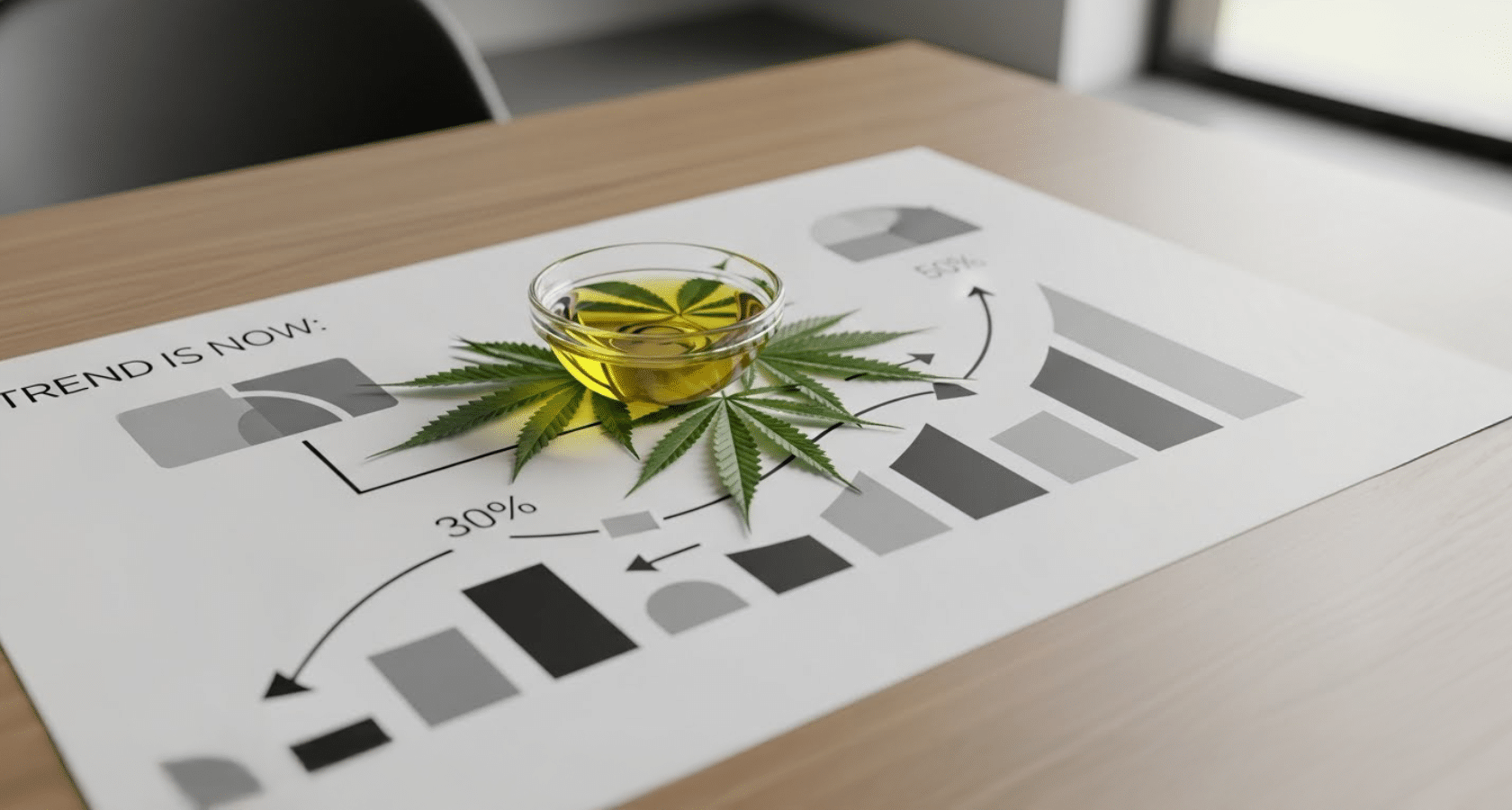
The global Cannabidiol (CBD) industry is rapidly moving past its early-stage hype and entering an era of maturity and sophistication. Brands are facing a critical crossroads: innovate and differentiate, or be commoditized. The shift is driven by a more educated consumer base, significant technological advancements, and an evolving regulatory landscape.
As we look toward 2030, this article explores the latest, data-backed trends shaping the CBD market, from next-generation products to consumer demand for science-backed transparency.
1. The Innovation Wave: Next-Generation CBD Products
The days when CBD was limited to basic oils and tinctures are over. The market is now defined by novel delivery methods and functional blends that target specific wellness outcomes.
A. The Rise of Minor Cannabinoids and Blends:
- Beyond CBD: Cannabinoids like CBN (which supports rest and regular sleep*) and CBG (which helps maintain focus and concentration*) are no longer niche. They are core ingredients in product formulations, often blended together to leverage the “entourage effect.”
- Functional Pairing: Functional Pairing: CBD is increasingly paired with clinically-backed nutraceuticals and adaptogens (e.g., L-Theanine, Ashwagandha) to offer multi-benefit solutions that help manage everyday stress* and support wellness*.
B. Enhanced Bioavailability and Faster Onset:
- New technologies are becoming standard, aiming to improve absorption and reduce the time-to-effect.
- Novel Delivery: Expect to see growth in convenient formats like oral sprays, fast-acting dissolvable strips, and advanced inhalers designed for discrete and precise dosing.
C. CBD as a Lifestyle Beverage and Edible:
- Functional Foods: Edibles (like gummies) and non-alcoholic CBD-infused beverages are gaining traction, appealing to consumers looking for wellness alternatives.
- Evolving Consumer Demands: Trust and Personalization
Consumers are no longer just aware of CBD; they are actively seeking high-quality, trustworthy, and results-oriented products.
A. Uncompromising Demand for Transparency:
- Third-Party Testing and Certificates of Analysis (COAs) are non-negotiable. Consumers expect easy access to verification for cannabinoid potency and purity.
- Seed-to-Sale Traceability and verifiable ethical sourcing (e.g., organic hemp) are now key differentiators that propagate trust and quality signals.
B. The Personalized Wellness Journey:
- Personalized Coaching: The demand for guidance is high. Brands are positioning customer support as “Wellness Coaches” or “Regimen Guides” to offer personalized dosing and usage advice, as cannabinoid wellness is a highly individual journey.
- Pet Wellness Surge: The Pet CBD market continues its steep growth. Owners are focused on natural remedies that help promote a sense of calm* for their animals.
C. Sustainability and Ethical Sourcing:
- A significant portion of consumers are prioritizing brands with ethical frameworks, evidenced by certifications like B Corporation status. This validates claims of environmental responsibility (e.g., regenerative farming and eco-friendly packaging).
3. Market Growth and Future Projections
Despite regulatory uncertainties, the CBD industry is expected to continue its upward trajectory
- Global Trajectory: The global Cannabidiol market is projected to reach approximately $22.05 billion by 2030, growing at a Compound Annual Growth Rate (CAGR) of around 15.8% from 2025.
- Market Leadership: North America continues to dominate in market size.
- The Investment in Science: Increased investment is fueling research into the mechanism of cannabinoids and the efficacy of products like Multicannabinoid formulations, which intentionally combine various compounds to maximize the entourage effect.
4. Navigating the Regulatory Landscape
Regulatory clarity remains the biggest accelerant—or barrier—to the market’s full potential. All companies must have a “compliance-first” mindset.
- The FDA’s Oversight: The U.S. The Food and Drug Administration (FDA) has not approved CBD for medical use. Future guidelines are anticipated to establish clear standards for labeling and marketing to prevent misleading claims that a product can prevent, treat, or cure a disease.
- The FTC’s Standard: All general wellness claims and structure/function claims must be supported by legitimate, reliable scientific research. Claims must align with study findings (e.g., a study on intravenous application cannot be used to support an oral product claim).
- UK Requirements: In the United Kingdom, similar advertising laws require transparency. While the full NHS disclaimer is not mandated, it is best practice to share information about limitations in research to avoid liability.
Final Thoughts: The Maturing Industry
The CBD industry’s future is characterized by a strategic pivot to a sophisticated, science-driven health category. Success will belong to the brands that prioritize:
- Verifiable Trust: Demonstrating quality through independent certifications and batch-specific testing.
- Scientific Integrity: Formulating products based on principles like the Entourage Effect.
- Responsible Education: Investing in resources that empower consumers with knowledge so they can make informed decisions about their wellness routine*.
Crucial Note: Before making any changes to your wellness routine, it is advised to seek professional guidance. This article is for informational purposes and does not constitute medical advice.
FDA Disclaimer:
*This statement has not been evaluated by the Food and Drug Administration. This product is not intended to diagnose, treat, cure, or prevent any disease.